

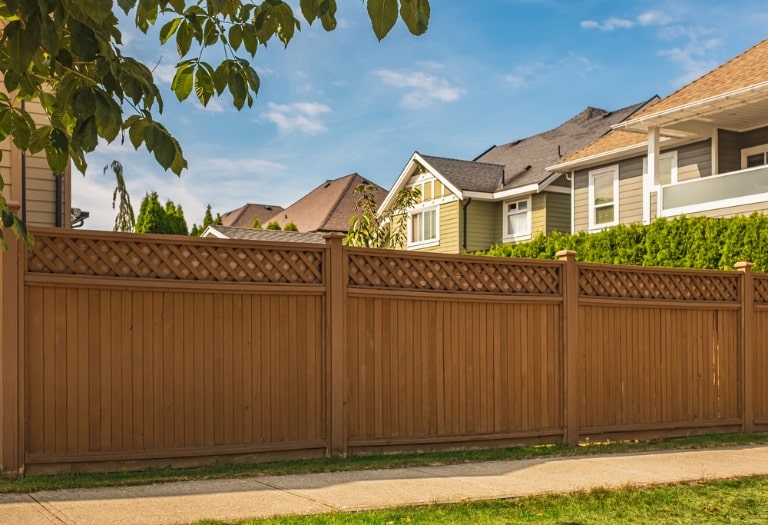
You know what? After 15 years installing fences in Chester, I’ve seen plenty of beautiful installations turn into maintenance nightmares. The thing is, Virginia’s climate isn’t exactly forgiving to fencing materials. Expert Chester VA fence installation requires understanding how our humid summers, occasional severe storms, and relentless UV exposure affect different materials over time.
Chester’s unique weather patterns demand more than generic fencing advice. With humidity levels hitting 70% or higher during summer months, temperatures fluctuating between 85-90°F, and those sudden wind events that seem to come out of nowhere, choosing the right material becomes less about aesthetics and more about survival.
Chester’s Weather Reality Check
Let’s be honest about what we’re dealing with here. Chester sits right in the heart of Virginia’s humid subtropical climate, which means your fence faces a perfect storm of challenging conditions year-round. Summer humidity doesn’t just make you uncomfortable—it wreaks havoc on fencing materials in ways most homeowners never anticipate.
The temperature swings between seasons create expansion and contraction cycles that stress joints, connections, and the materials themselves. Then there are those unexpected wind events. Not full hurricanes, mind you, but those sudden storms that can hit 50+ mph winds and test every post, panel, and gate on your property.
Here’s the thing most people don’t realize: UV exposure in our area is particularly intense because of our southern latitude. That gorgeous south-facing fence that looks perfect in spring? It’s getting hammered by sun rays that accelerate fading, brittleness, and overall deterioration.
When Humidity Attacks Your Fence
Wood fencing and moisture make terrible roommates. Pressure-treated lumber might seem like the obvious choice, but even treated wood starts showing stress within 18 months in Chester’s climate. The constant moisture absorption and release causes warping that no amount of maintenance can prevent. Cedar performs slightly better, but you’re still looking at annual treatments and periodic board replacement.
Vinyl fencing expands and contracts with temperature changes, and that movement gets amplified in our humid conditions. Those neat, tight joints you admired during installation? They develop gaps as the material cycles through wet and dry periods. The humidity also accelerates color fading, turning that crisp white fence into a dull, chalky shadow of its former self.
Metal materials have their own humidity challenges. While aluminum resists corrosion better than steel, any scratches or dings in the protective coating become entry points for moisture. Steel fencing? Forget about it unless you enjoy repainting every few years and fighting rust stains.
Let me tell you about a job I did last summer in the Magnolia Green neighborhood. Beautiful cedar privacy fence, installed by another company just three years earlier. The homeowner called because several boards were warping so badly they couldn’t keep their dogs contained. That’s humidity damage in action.
Wind Resistance: When Chester Gets Stormy
Chester might not be tornado alley, but we get our share of severe weather. Different materials handle wind stress in dramatically different ways, and understanding these differences can save you from expensive repairs or complete replacement.
Vinyl fence panels have some flexibility, which sounds good until you realize that flexibility has limits. Push too hard, and vinyl becomes brittle, especially in cooler weather. I’ve seen vinyl fences that looked perfect one day completely shattered after a storm, with panels that couldn’t bend just snapping under pressure.
Wood fencing fails in predictable ways during wind events. Usually, it’s the posts that give up first, especially if they weren’t set deep enough or if the concrete footings have shifted. The panels themselves might survive, but replacing posts means essentially rebuilding entire sections.
Aluminum fencing offers the best strength-to-weight ratio for wind resistance. The material flexes without breaking, and properly installed aluminum posts can handle significantly more stress than wood or vinyl alternatives. The key is proper installation—those gate hardware connections and post anchoring systems need to be engineered for local conditions.
During that major storm system we had in March 2024, I got calls from dozens of homeowners dealing with fence damage. The pattern was clear: properly installed aluminum fences might have some bent panels, but they stayed standing. Wood and vinyl installations? Much more expensive repairs.
The Maintenance Reality Nobody Mentions
Wood fence maintenance isn’t just an annual chore—it’s an ongoing relationship. You’re looking at power washing, staining or sealing, and board replacement on a rotating schedule. Miss a year, and that maintenance schedule accelerates rapidly. The real cost isn’t just materials; it’s the time investment that most busy homeowners can’t sustain.
Vinyl maintenance gets marketed as “maintenance-free,” but that’s misleading. Sure, you don’t need to paint or stain, but vinyl requires regular cleaning to prevent mildew and algae buildup. Those green stains you see on neglected vinyl fences? They’re permanent. And when vinyl panels crack or break, you can’t just patch them—entire sections need replacement.
Aluminum maintenance is genuinely minimal. An annual rinse with a garden hose and occasional hardware inspection covers most needs. The biggest maintenance issue with aluminum is usually vegetation management—keeping plants from growing through the pickets and causing spacing problems.
But honestly, who has time for constant fence maintenance? Most homeowners choose a fence material thinking about installation costs, not the ongoing time and money requirements. That’s a mistake that becomes expensive quickly.
Material Lifespan: The Numbers Game
When you break down the math, the lifespan differences become dramatic. Wood fencing in Chester’s climate typically lasts 8-15 years, depending on maintenance quality and material grade. That’s not including the ongoing costs of staining, sealing, and partial repairs along the way.
Vinyl fencing can reach 20-30 years, but that assumes proper installation and reasonable weather exposure. I’ve seen vinyl fences fail much earlier when exposed to extreme conditions or installed with inadequate support systems. The material itself might last, but the mounting hardware and connections often don’t.
Aluminum fencing routinely reaches 30-50 years with minimal maintenance. The initial investment is higher, but the cost-per-year calculation usually favors aluminum, especially when you factor in maintenance time and materials for other options.
For Dubon Fencing & Polished Concrete, material longevity discussions happen during every consultation. Homeowners need realistic expectations about what their investment will deliver over time, not just how it looks on installation day.
UV Protection: Fighting the Southern Sun
Southern exposure creates unique challenges for fencing materials. Direct sunlight accelerates chemical breakdown in vinyl, causing color fading and surface chalking that can’t be reversed. Even high-quality vinyl loses its vibrant appearance within five years under constant sun exposure.
Wood bleaches and dries out under UV exposure, becoming increasingly brittle and prone to splitting. The natural oils that give wood its flexibility evaporate, leaving behind material that cracks under normal stress. Staining helps, but it’s a temporary measure that needs regular renewal.
Aluminum’s UV stability is one of its strongest selling points. The powder-coated finish resists fading and maintains its appearance for decades. Color selection does matter—darker colors absorb more heat and can cause slightly more expansion, but the difference is minimal compared to other materials.
Positioning matters too. A fence that gets morning sun but afternoon shade will outlast one baked by western sun exposure all day. Understanding your property’s sun patterns helps with both material selection and design choices.
Making the Right Choice for Your Property
Every Chester property has unique requirements. Budget constraints matter, but so do maintenance preferences and long-term plans. A homeowner planning to sell in five years might make different choices than someone settling in for decades.
The decision process should include site evaluation, not just material comparison. Soil conditions, drainage patterns, exposure to elements, and intended use all affect material performance. A pool fence faces different stresses than a property line barrier.
Professional consultation makes sense because material selection connects to installation techniques, local building codes, and long-term maintenance requirements. Generic advice doesn’t account for Chester’s specific conditions or individual property characteristics.
Your fence represents a significant investment in your property’s functionality and appearance. Understanding how different materials perform in our local climate helps you make decisions based on facts, not sales pitches or wishful thinking.
The right material choice depends on balancing upfront costs, maintenance requirements, expected lifespan, and your personal preferences. There’s no universally “best” material, but there’s definitely a best choice for your specific situation and local conditions.