

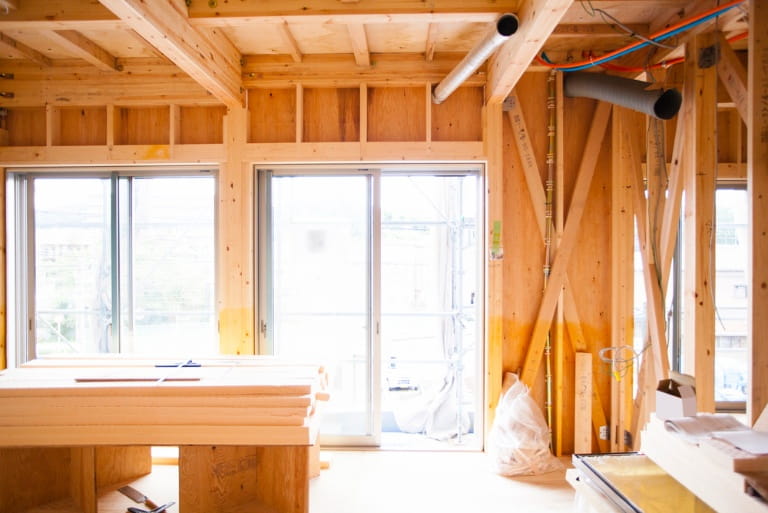
Most renovation failures don’t come from bad design. They come from choices nobody notices at first, such as materials that looked fine on paper but didn’t hold up once the work began.
A space can look flawless when it’s finished. Clean lines, fresh paint, everything in place. But underneath that, the structure either holds or it doesn’t. And that usually comes down to what was used behind the scenes.
Contractors who’ve been around long enough stop chasing what’s popular. They care more about what survives pressure, movement, and time. There’s a difference between something that looks strong and something that actually is.
Materials Have Quietly Changed, and So Have Expectations
There’s been a shift in how projects are judged. It’s no longer just about how a renovation looks when it’s handed over. Clients expect it to stay that way.
That’s pushed contractors to think beyond short-term fixes. Materials now get judged on how they behave months or years later after exposure, weight, and daily use start doing their job.
Guidance from the Royal Institution of Chartered Surveyors reflects this shift. Longevity and performance are no longer “nice to have”; they’re expected. That’s where experience shows. Less experienced teams often stick to what’s familiar. More seasoned contractors pay attention to how materials actually perform once everything is in place.
Strength Alone Doesn’t Solve the Problem
There’s a common assumption that stronger automatically means better. It doesn’t. A material can be technically strong but still fail in real conditions, especially in renovation work, where nothing is perfectly aligned. Existing structures come with their own issues: uneven levels, load inconsistencies, and unexpected limitations. That’s why adaptability matters just as much as strength.
Hollow structural materials, for example, are used widely because they balance both. They’re easier to handle, distribute weight efficiently, and don’t create unnecessary load during installation. In practical terms, this is where something like a steel box section tends to come into play. It’s not an attention-grabbing choice, but it shows up again and again because it solves multiple problems at once. Suppliers usually offer different sizes and finishes, cut to fit what’s actually needed, which removes a lot of on-site adjustments.
Time Pressure Changes Everything on Site
Renovation timelines are rarely generous. Delays don’t just cost money; they complicate everything around the project.
Materials that require constant adjustment slow teams down. Every extra cut, fix, or workaround adds up. On the other hand, materials that arrive ready to install make a noticeable difference. There’s less hesitation, fewer mistakes, and smoother coordination between teams.
Research from McKinsey & Company has pointed out that construction efficiency improves when standardised and pre-prepared materials are used. That’s not surprising. Less improvisation usually means fewer problems. And in construction, problems multiply quickly.
Cost Isn’t Just About What You Pay Upfront
Budget decisions are where a lot of projects quietly go wrong. Cutting costs on visible elements is one thing. Cutting costs on structural components is another. The latter tends to show up later and usually at a higher price.
Contractors who think long-term don’t just look at purchase cost. They consider how often something will need fixing, replacing, or reinforcing.
Materials that resist wear, hold their shape, and require less maintenance often end up being cheaper over time. Not immediately, but eventually, and sometimes significantly. That’s why certain materials keep getting recommended. Not because they’re trendy, but because they reduce future headaches.
Supply Matters More Than Most People Realise
One thing that rarely gets discussed outside the industry is sourcing. Even the right material becomes a problem if it’s inconsistent or delayed. Contractors tend to stick with suppliers who can deliver accurately and on time every time.
Custom sizing also plays a role. When materials arrive already aligned with project requirements, there’s less need for on-site corrections. That alone improves both speed and finish quality.
What Actually Makes a Renovation Last
At a surface level, most finished projects look similar. The difference shows up later. Some hold their structure, stay aligned, and age well. Others start showing small issues, then bigger ones.
The deciding factor is rarely the design. It’s the material decisions that were made early on. Contractors who consistently deliver solid work tend to focus on a few things:
- Materials that handle real-world conditions, not just ideal ones
- Components that don’t slow down installation
- Choices that reduce maintenance later
- Suppliers that don’t introduce risk into the process
None of this is particularly flashy. But it’s what separates a renovation that lasts from one that quietly starts failing. And that’s why certain materials keep showing up across projects. Not because they’re being pushed but because, over time, they’ve proven they do the job properly.