

Home maintenance doesn’t have to mean big renovations or expensive fixes. In fact, small seasonal projects can make a big difference when it comes to keeping your home safe, comfortable, and valuable. Ignoring basic upkeep might not seem like a big deal at first, but small issues often grow into major repairs, and those costs add up fast.
Taking the time to do a little each season spreads out the work and helps you avoid emergencies. It also lets you plan your budget more effectively throughout the year. Whether you plan to stay in your home long-term or sell in the future, regular maintenance helps protect your investment.
From spring cleaning to winter prep, tackling the right tasks at the right time keeps your home running smoothly. It also puts you in a better position if you’re ever ready to refinance, upgrade, or sell.
Why Timing and Planning Matter
Each season brings different challenges for homeowners. Spring often reveals damage from winter storms. Summer heat can stress your cooling system and outdoor surfaces. Fall is about preparing for colder months ahead, while winter offers time to focus on indoor upkeep. Addressing these issues seasonally makes them easier to manage.
Breaking down maintenance into smaller steps also helps spread out costs. This is important for homeowners who need to stick to a budget or who want to time larger projects with favorable financing. Seasonal planning gives you the chance to handle problems early, before they become expensive.
For those thinking about their long-term home value, timing becomes even more important. Some homeowners look at current mortgage rates when deciding how and when to invest in maintenance or repairs. If rates are low, it may be a good time to refinance or use home equity for necessary upgrades. Keeping the home in top shape makes it easier to qualify for favorable terms or increase overall property value. Maintenance doesn’t just save money—it can lead to financial flexibility down the road.
Spring Projects: Cleaning and Prevention
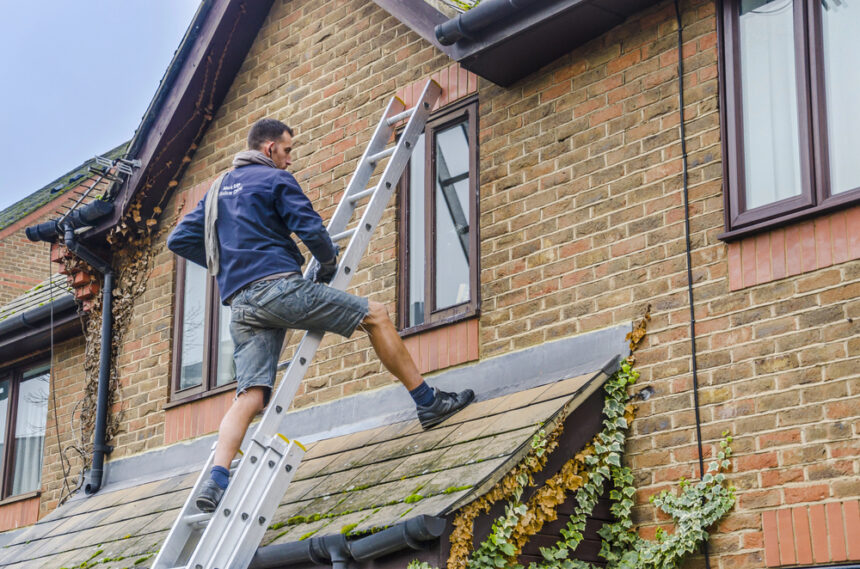
Spring is a time for cleaning, yes—but it’s also the perfect chance to spot problems early. Start with the gutters. Clear them out to prevent water damage as the rainy season starts. Make sure downspouts are working properly to direct water away from the house.
Inspect your roof and siding for any signs of winter damage like missing shingles, cracks, or loose panels. These small issues can cause leaks if not handled quickly. Look around the base of the home, too. Cracks in the foundation or gaps around windows might have formed during freezing weather. Fixing these early can help with both energy savings and moisture control.
Power washing the home’s exterior, driveway, and sidewalks makes everything look fresh and removes grime that can weaken surfaces over time. It’s also a great time to reseal windows and doors if air is leaking in. These steps don’t cost much but help protect the structure and reduce energy bills later.
Summer Projects: Cooling and Outdoor Care
Summer is the time to focus on comfort and outdoor upkeep. Start with your cooling system. Have the air conditioner serviced so it runs efficiently through the hottest months. Change or clean filters and make sure vents are clear.
Next, check your windows and doors for worn-out caulk or weather stripping. Gaps let in heat and make your cooling system work harder. Re-caulking is simple and can cut down on energy costs. It also helps keep bugs out.
Walk around your property and look for cracks in the driveway or patio. Hot weather can make them worse. Sealing these cracks prevents water from getting in and causing deeper damage. It’s easier to fix them in warm, dry conditions.
If you have a deck or wooden fence, inspect it for wear. Replace damaged boards and apply a fresh coat of sealant if needed. Sun, rain, and humidity can wear down wood fast. Taking care of it now helps it last longer and keeps your outdoor spaces safe.
Trim back trees or bushes that have grown too close to the house. Overgrown branches can damage siding, block airflow, or invite pests. Keeping plants trimmed also improves curb appeal.
Fall Projects: Prepare for the Cold
As temperatures start to drop, it’s time to get your home ready for the colder months ahead. First, check your heating system. Schedule a professional inspection and clean or replace filters. A properly working heater keeps energy use down and helps you avoid breakdowns in the middle of winter.
If you use a fireplace or wood stove, have the chimney cleaned and inspected before lighting the first fire of the season. Blockages or buildup can lead to dangerous conditions.
Next, walk around the outside of your home. Clean out gutters once again to prevent clogs from fallen leaves. When water can’t flow through properly, it may back up and cause roof or siding damage.
Drain outdoor faucets and store hoses. Cover any exposed pipes or hose bibs to protect them from freezing. This simple step avoids burst pipes and water damage during winter.
Inside, check attic insulation. Poor insulation leads to heat loss, which drives up energy bills. If you feel drafts or see signs of moisture, you might need to add more insulation or fix ventilation problems.
Winter Projects: Indoor Upkeep and Planning
Winter is a good time to focus on the inside of your home. Start by checking for drafts around windows, outlets, and doors. Add weatherstripping or foam seals where needed. These small fixes help keep your home warm and lower heating costs.
Test smoke detectors and carbon monoxide alarms. Change batteries and make sure all devices are working properly. Winter is peak season for house fires and carbon monoxide exposure.
Reverse your ceiling fans to circulate warm air back into the room. It’s a simple trick that makes your heating system work more efficiently.
Take this slower season to organize maintenance records. Keep receipts, warranties, and photos of recent repairs in one place. This is helpful for future projects or if you decide to sell.
Use the time indoors to start planning for spring upgrades. Make a list of repairs, set a budget, and spread costs across the year to avoid surprises.
Maintenance That Adds Long-Term Value
Certain maintenance tasks protect your home’s long-term value. A well-maintained HVAC system, solid roof, and proper insulation all play a big role in how a home performs over time. Buyers and appraisers notice these things.
Simple records, like service logs and photos, show that you’ve taken care of the property. They also help if you ever want to refinance or apply for a loan tied to home equity.
Good maintenance doesn’t just make daily life easier. It supports your home’s financial future.
Seasonal maintenance may take time, but it brings lasting rewards. Small tasks, when done regularly, help avoid big repairs, keep your home comfortable, and protect its value. With a plan that fits your schedule and budget, each season becomes a step toward a stronger, safer home. Start where you are, do what you can, and stay ahead of costly problems year-round.